Repair Receipt for Insurance Claims
Ready to create your own? Use our free receipt generator — no account needed.
Generate Repair Receipt →On this page
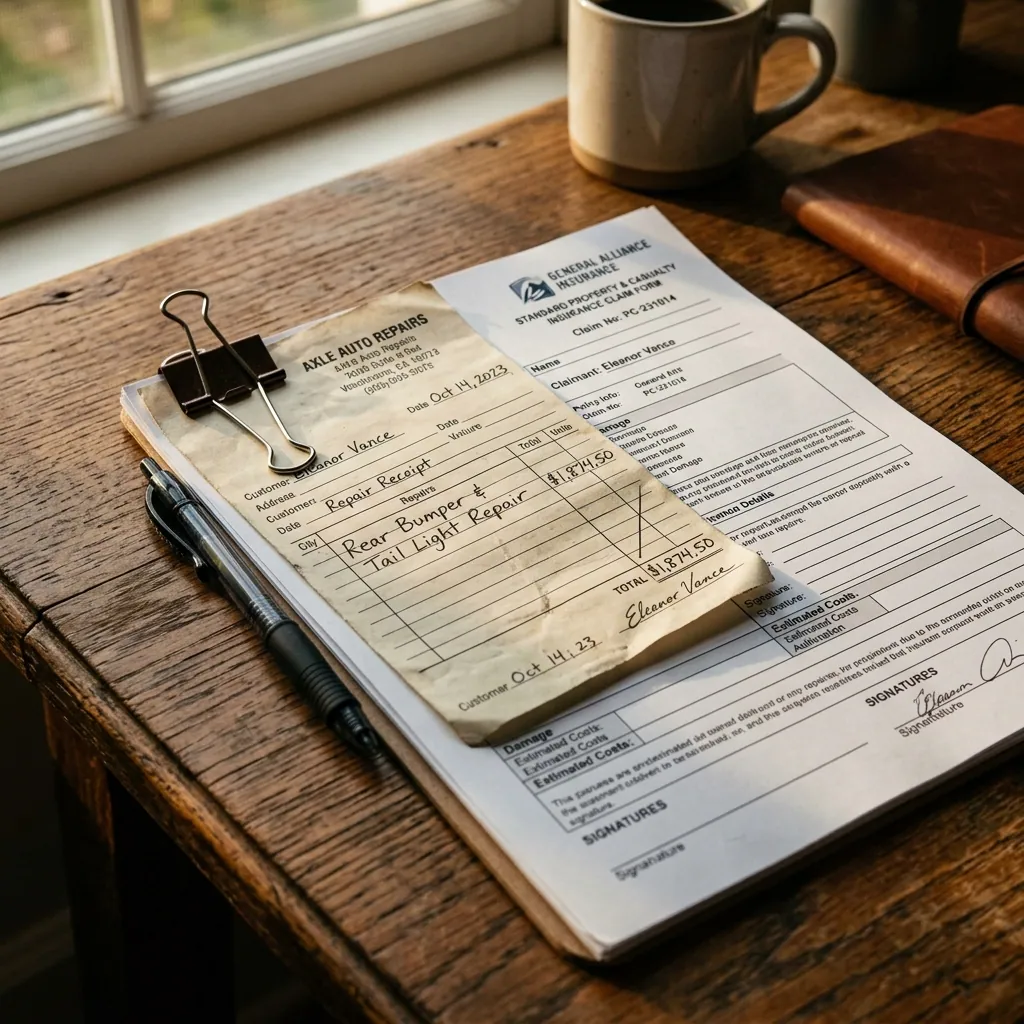
If you need a repair receipt for an insurance claim, labor and parts detail matter most. Claims reviewers usually want to see what was repaired, when the repair happened, who performed the service, and what the final cost was.
Quick Answer
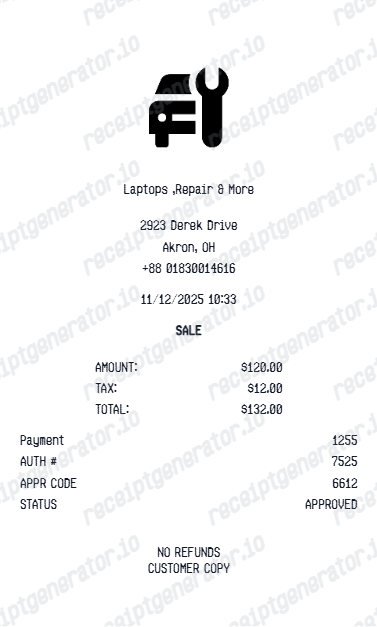
For insurance claims, a repair receipt should clearly show the service date, provider, labor detail, parts detail, and total paid.
What Claims Review Usually Needs
A repair receipt for claims usually works best when it shows:
- service date
- service provider
- repaired item or asset
- labor lines
- parts lines
- total paid
That gives reviewers enough information to understand the repair expense.
When Detail Matters Most
Detailed repair information is especially important when:
- the claim involves damaged equipment or property
- the service includes replacement parts
- the repair follows a documented incident
- the claim needs cost verification
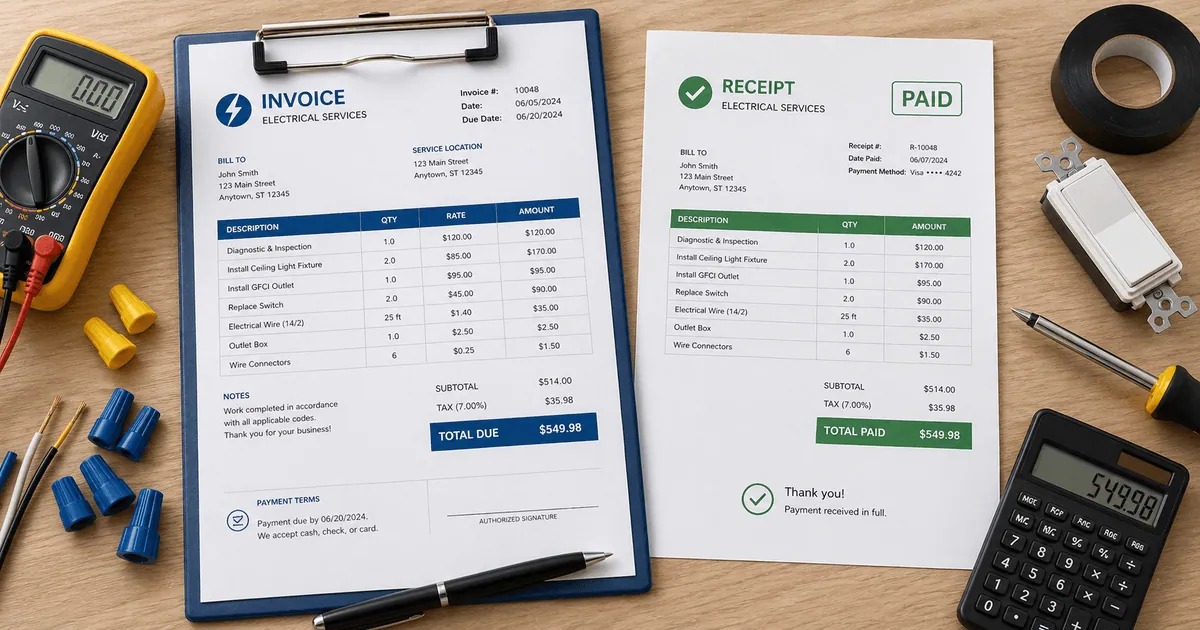
Those same fields also matter for formal expense substantiation: amount, date, provider, and a clear description of the work performed. That is why itemized labor and parts lines make claim review easier. See IRS Publication 463.
Organize a Cleaner Backup Record
If you already verified the repair details and want a cleaner backup for your files, use the Repair Receipt Generator.
Create a Repair Claim Record
Use the repair receipt template to organize verified repair details into a cleaner claim-ready format.
Related Guides
Final Takeaway
For insurance claims, the best repair record is the original itemized service receipt with clear labor and parts detail. If you need a cleaner backup for your own files, build it from those verified details.
FAQ
Yes, if it clearly shows the service date, labor, parts, provider details, and total paid.
That is usually the information claims reviewers need to understand the repair expense.
It should show the repaired item or asset, service date, labor detail, parts detail, and amount paid.
A clear itemized service record is usually easiest to review.